San Miguel de Allende, Querétaro or Guanajuato: Which to Choose for Your Luxury Destination Wedding
*Last updated: August 29, 2026 · By the Katiblé Team*
San Miguel de Allende, Querétaro, and Guanajuato are less than two hours apart from one another. All three are UNESCO World Heritage Sites and all three photograph spectacularly. And yet they orchestrate weddings that are entirely different experiences.
San Miguel is the most coveted and the most expensive: international demand, small boutique hotels, a walkable center. Querétaro is the most practical: its own airport with direct flights to the United States, larger hotel formats, and a wine route within an hour. Guanajuato capital is the most theatrical and the most challenging to execute: narrow passageways, underground tunnels, and cobblestone streets where a tour bus simply cannot navigate.
If you're deciding between the three, the question isn't which is most beautiful. It's where your guests are arriving from, how many there are, and how much logistics you're willing to orchestrate.
The Three at a Glance
- San Miguel de Allende (Guanajuato). UNESCO World Heritage Site since 2008. The destination with the strongest international presence in the Bajío region, reflected in pricing and calendars that close well in advance. Ideal for weddings of 60 to 150 guests where the entire town becomes part of the experience.
- Querétaro (Querétaro). Historic center UNESCO World Heritage Site since 1996. The city with the best infrastructure of the three: international airport, large-format hotels, and an established wine route (Ezequiel Montes, Tequisquiapan, Bernal). The most comfortable option for guest lists exceeding 150 people.
- Guanajuato capital (Guanajuato). UNESCO World Heritage Site since 1988. Former mining haciendas, historic manor houses, and plazas unlike anything else. The most accessible in price and the one that demands the most transportation planning.
How Your Guests Arrive: The Factor That Decides More Than You Think
This is the variable that, in practice, eliminates destinations—not aesthetics.
Querétaro has its own airport (QRO), approximately 30 minutes from the city center, with direct flights to several U.S. cities in addition to domestic connections. If a significant portion of your guest list arrives from abroad, Querétaro generates the least friction: they land and are at their hotel in half an hour.
Guanajuato capital is served by Bajío Airport (BJX), in Silao, about 40 minutes by road. It also has international flights. It's convenient for Guanajuato and León, and reasonable for San Miguel.
San Miguel de Allende has no airport. Access is via Querétaro (approximately one hour 15 minutes), via BJX (close to an hour and a half), or by road from Mexico City (between three and a half to four hours). That transfer isn't a problem in itself, but it is a decision: who organizes it, who pays for it, and how do guests arriving late in the evening get there.
If your list comes primarily from Mexico City, all three work by car. If they're coming from the United States or Europe, rank them this way: Querétaro first, Guanajuato second, San Miguel last—and in San Miguel, budget for transfers from day one.
Accommodations: Where Your Guests Actually Sleep
San Miguel has a strongly boutique hotel offering. Many beautiful properties, but each with limited rooms. This means a block of 80 guests almost always splits across three or four different hotels. It's not problematic—the center is walkable—but it changes logistics: multiple departure points for transfers, multiple negotiated rates, multiple contacts to coordinate.
Querétaro is the only one of the three with large-format hotels and international chains. If your list exceeds 150 people and you want everyone under one roof, it's the obvious answer. It also makes block rate negotiation simpler: a single conversation instead of many.
Guanajuato capital has charming hotels in the heart of the city, but the city is built over a ravine: narrow streets, staircases, and steep grades. A guest with limited mobility or heavy luggage will feel the difference. Many couples resolve this by combining central accommodations for younger guests with options in the León area or toward Silao for families.
The Venues: What You'll Find in Each City
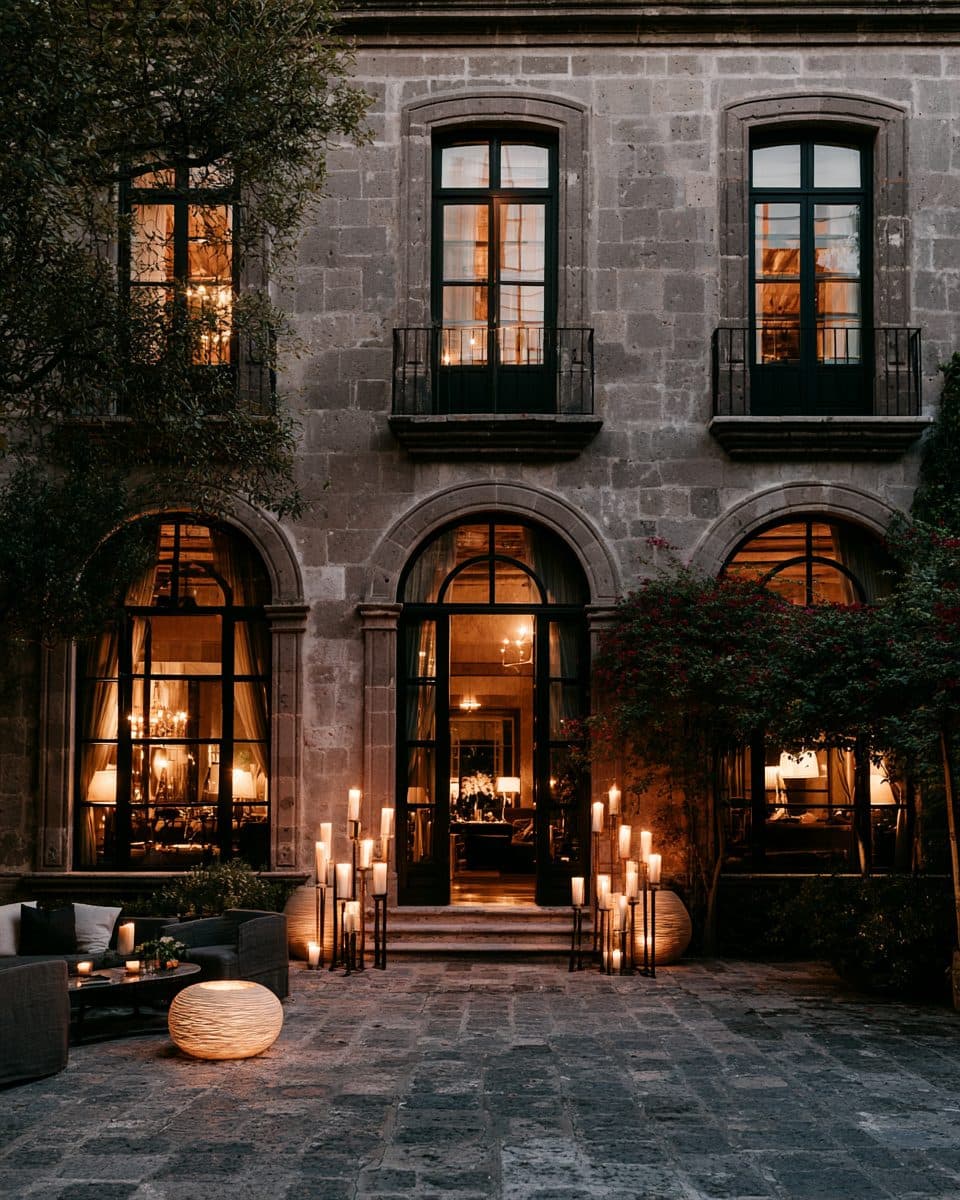
- San Miguel de Allende. Colonial manor houses with interior courtyards, terraces overlooking the Parroquia, haciendas and ranches on the outskirts. A ceremony in a downtown church followed by a reception ten minutes away is the classic format here.
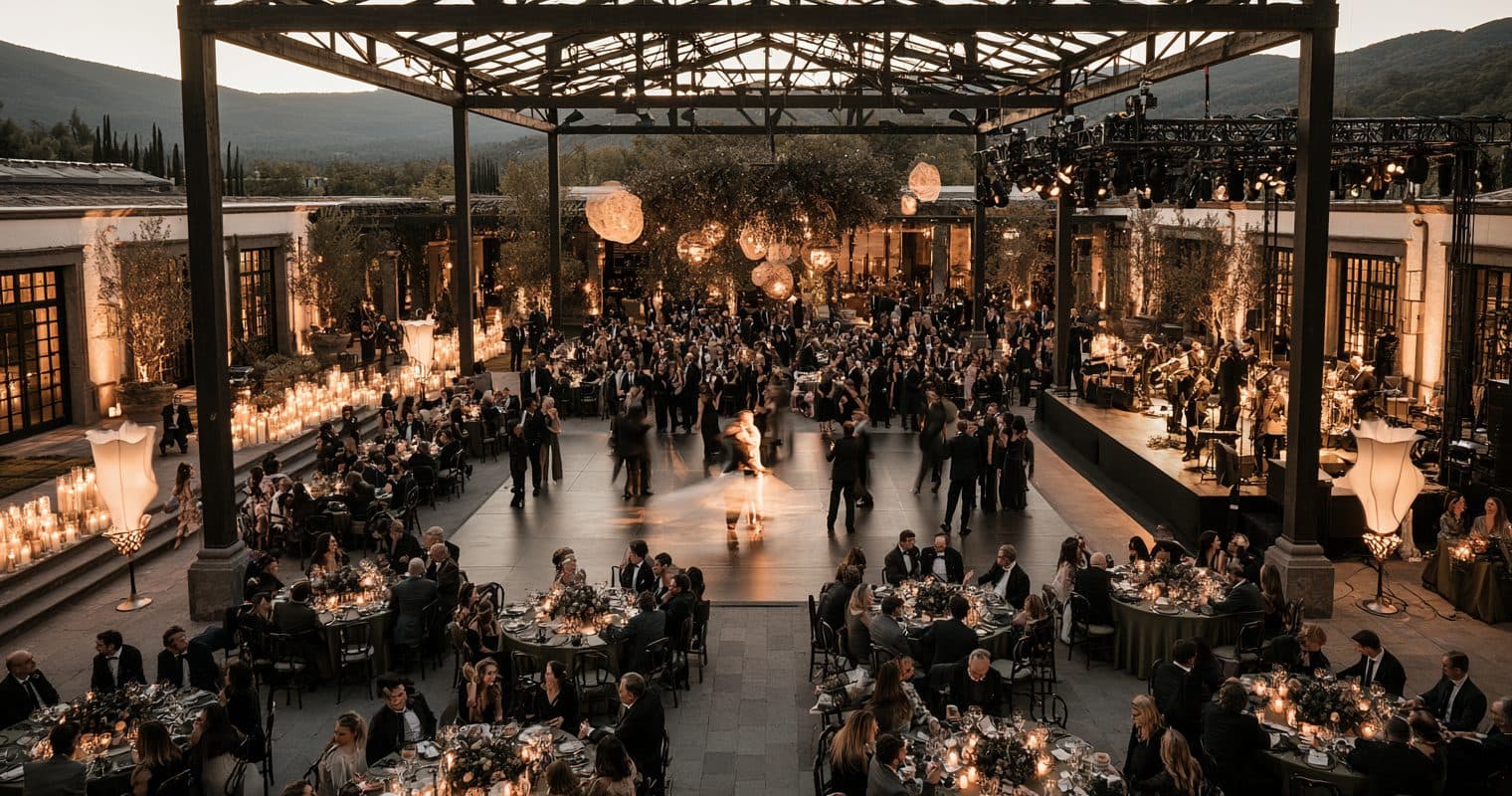
- Querétaro. Historic haciendas and vineyards. The wine route is the great differentiator: wineries with real capacity for large receptions, with logistics already figured out because they host events year-round. Distances from the city range from 45 to 70 minutes.
- Guanajuato. Former mining haciendas, historic manor houses, and spaces with a theatricality that exists nowhere else. They tend to be smaller, so they work best for intimate weddings of 40 to 90 guests.
Budget: How the Three Compare
In relative terms and with the same number of guests, San Miguel is the most expensive, Querétaro falls in the middle, and Guanajuato is the most accessible. The reason isn't quality—there are excellent vendors in all three—but demand: San Miguel competes for dates with couples paying in dollars, which pushes the floor of local market pricing upward.
Now, the range within each city is enormous and depends more on your decisions than your ZIP code. Before choosing by price, run the numbers for your actual guest list in each scenario:
- How Much Does a Wedding Cost in San Miguel de Allende in 2026
- How Much Does a Wedding Cost in Querétaro in 2026
- Wedding Budget in Guanajuato
An honest tip: compare cost per guest, not total cost. An 80-person wedding in San Miguel might cost the same as a 130-person wedding in Guanajuato, and they're different experiences—not one more expensive than the other.
Weather and Calendar: When to Marry in the Bajío
All three cities sit between 5,900 and 6,500 feet in elevation. That defines two things: nights are cool year-round—even in May—and from November through February it genuinely gets cold after ten p.m. If your reception is outdoors, heaters aren't a luxury; they're part of your base budget.
Rainy season runs from June through September, with afternoon storms that arrive strong and leave quickly. Marrying during those months is perfectly possible, but your weather contingency plan ceases to be optional and must be in the contract, with the tent or alternate indoor space defined in writing.
The best windows are October and November—the clearest skies of the year—and March through May, with mild evenings.
Dates worth confirming before booking, because they saturate hotels and raise rates:
- Festival Internacional Cervantino in Guanajuato, in October. The city fills completely.
- Fiesta de San Miguel Arcángel in San Miguel, in late September.
- Día de los Locos in San Miguel, in June.
- Holy Week, Day of the Dead, and long weekends in all three.
Day-of Transportation: The Detail Almost Everyone Underestimates
In San Miguel, the cobblestones are real and heels won't forgive them. Hotel-to-ceremony-to-reception transfers are handled with vans, not improvised taxis, and some downtown streets won't accommodate a large bus.
In Guanajuato, the tunnels and narrow passageways require planning access with the venue, not with Google Maps. It's worth asking explicitly what size vehicles can reach the door and where guests disembark if larger ones cannot.
In Querétaro, the challenge is different: distance to the vineyards. With 50 to 70 minutes of travel time, late-night returns must be contracted from the start, with fixed schedules and multiple departures.
If you're shuttling guests between hotels, this guide saves expensive mistakes: how to organize guest accommodations and room blocks.
How to Choose in Four Questions
- Where does the majority of your guest list come from? If it's the United States, Querétaro. If it's Mexico City or the Bajío region, all three are viable.
- How many guests are you expecting? More than 150 and you want everyone in a single hotel: Querétaro. Between 60 and 150 with plans to make the town part of the experience: San Miguel. Under 90 and seeking something intimate and full of character: Guanajuato.
- How many days do you want the celebration to last? If you want three days with activities, choose the city where your guests can walk around and discover things on their own. San Miguel and Guanajuato excel here; Querétaro requires more transportation between points.
- How much time can you invest in scouting before the wedding? None of the three works well without a site visit. If you can only make one reconnaissance trip, choose the city where you can see four or five venues in two days.
What Changes When You Organize with Katiblé
Choosing a city is half the work. The other half is having vendors actually respond to you, having comparable pricing across providers, and not losing three weeks chasing quotes over WhatsApp.
With Katiblé, you request information from multiple vendors at the destination simultaneously and receive responses in minutes, not days. Your guests join free with a digital invitation, and every reservation they make through the platform returns money to you. It's the part almost no one mentions when comparing destinations: your wedding can pay for itself, in a very real way.
Frequently Asked Questions
Which of the three makes sense if my guests are coming from the United States?
Querétaro, for its own airport with direct flights and large-hotel options. Guanajuato ranks second thanks to BJX. San Miguel de Allende remains viable—it hosts tremendous international weddings—but requires a one hour 15 minute ground transfer that you must organize and budget for.
Can I hold the wedding in one city and the activities in another?
Yes, and it works well when the venues are less than an hour apart. The most common combination is accommodations and wedding in San Miguel with an excursion to a Querétaro winery, or a wedding in Querétaro with a trip to Bernal. What I don't recommend is splitting accommodations between two cities: it multiplies transfers, costs, and confusion on event day.
How far in advance should I book my dates?
For October, November, and spring—the most competitive seasons—aim for 12 to 14 months, and in San Miguel de Allende consider up to 18 months if you have an exact, immovable date. Outside those windows you have more flexibility, though top Bajío vendors commit far in advance anyway.
Do I need a local wedding planner?
If you don't live in the area, yes—or at least someone for day-of coordination. Someone needs to be physically present to manage access, setup schedules, and permits. Here you can see how much a wedding planner costs in Mexico and what each service level includes.
Can I legally marry in any of the three?
Yes, though many couples register civilly in their city of origin and celebrate a religious or symbolic ceremony at the destination: it's simpler and avoids long-distance paperwork. If you want the civil ceremony in Guanajuato or Querétaro, requirements are set by each municipality and change over time. Confirm them directly with the corresponding Civil Registry months in advance, not weeks.