Weekend Wedding in Querétaro: How to Plan Three Days Without Exhausting Your Guests
Some weddings last one night. And then there are weddings that people are still talking about three years later. The difference almost never comes down to budget: it comes down to how many times your guests encountered each other before the celebration.
That is a weekend wedding. And Querétaro is one of the few destinations in Mexico where you can pull this off without it becoming a logistical odyssey.
I'll walk you through why it works here, how to structure the three days, and what decisions you should make before signing your first contract.
Why Querétaro Sustains a Full Weekend
A wedding weekend needs three things: distinct settings, short distances, and vendors who can cover multiple events consecutively. Querétaro delivers all three by pure geography.
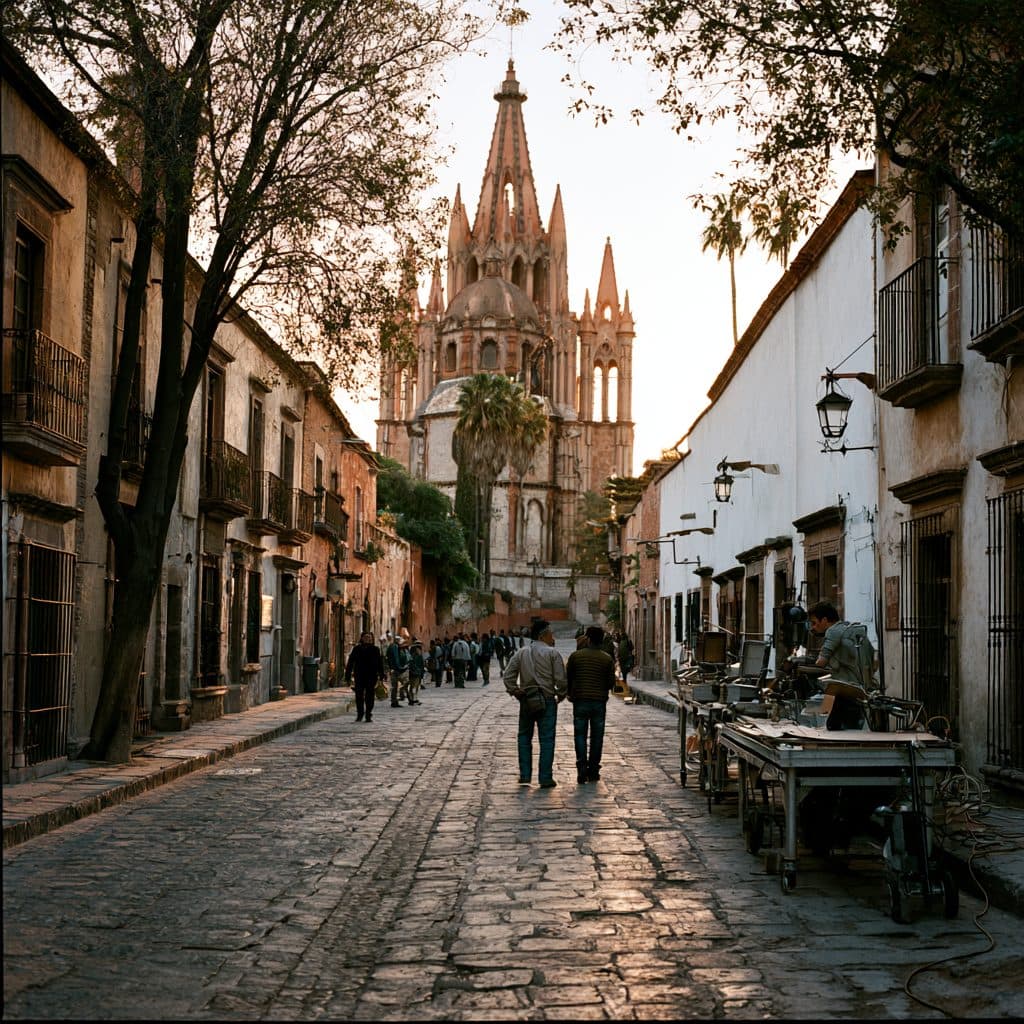
The historic center of Santiago de Querétaro has been a UNESCO World Heritage Site since December 1996. It preserved its sixteenth-century colonial layout, with winding streets, cantera stone everywhere, and plazas that work as venues on their own, without requiring decoration.
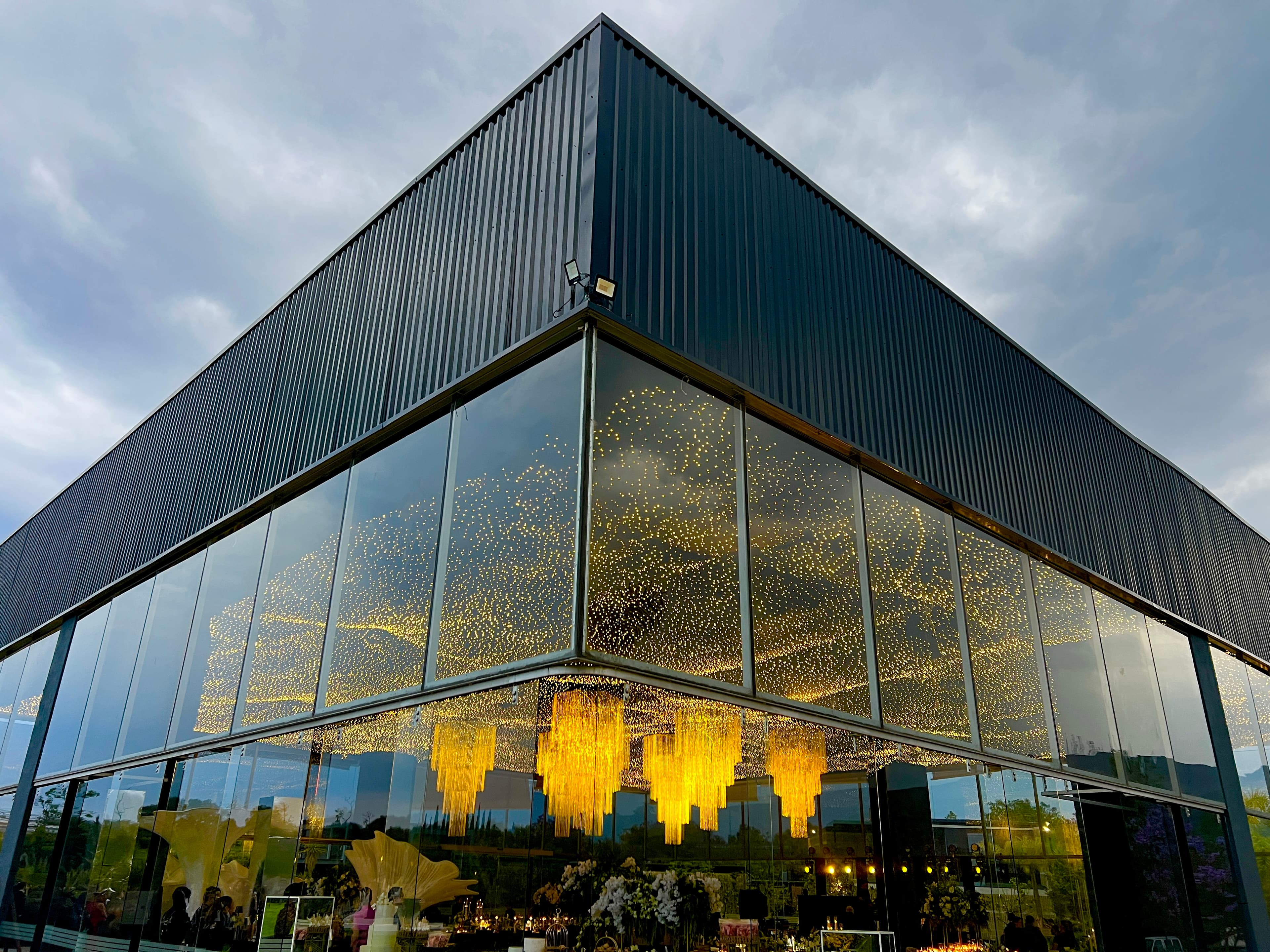
Toward the east begins another world entirely: the wine region. The municipalities of Ezequiel Montes, Tequisquiapan, El Marqués, and Colón form the Cheese and Wine Route. The vineyards of Ezequiel Montes are about twenty to twenty-five minutes from Tequisquiapan. And rising in the middle of that landscape is the Peña de Bernal, roughly thirty-five to forty minutes from Tequisquiapan via state highway 120.
Three distinct landscapes—colonial city, vineyard countryside, and semi-desert with a monolith—all within a manageable radius. That is precisely what allows you to change settings each day without putting anyone on a plane.
The other piece is accessibility. Querétaro's Intercontinental Airport is just over half an hour from the historic center, and you can reach it from Mexico City by car in about three hours. When the transfer is not a hardship, people don't just come Saturday: they come for the weekend.
The Three Days, and What Each One Does
A common mistake is thinking of the weekend as "the wedding plus two extra parties." It is not. Each day has its own purpose, and if you ask Friday to deliver Saturday's function, Saturday falls flat.
Friday: introduction. The welcome is not a party, it is a presentation. Its job is to ensure the aunt from Monterrey and the university friend have already said hello before Saturday arrives. Open format, standing, no protocol, no speeches. Two or three hours, nothing more. The historic center is ideal for this because guests can walk from their hotel and continue their evening on their own if they wish.
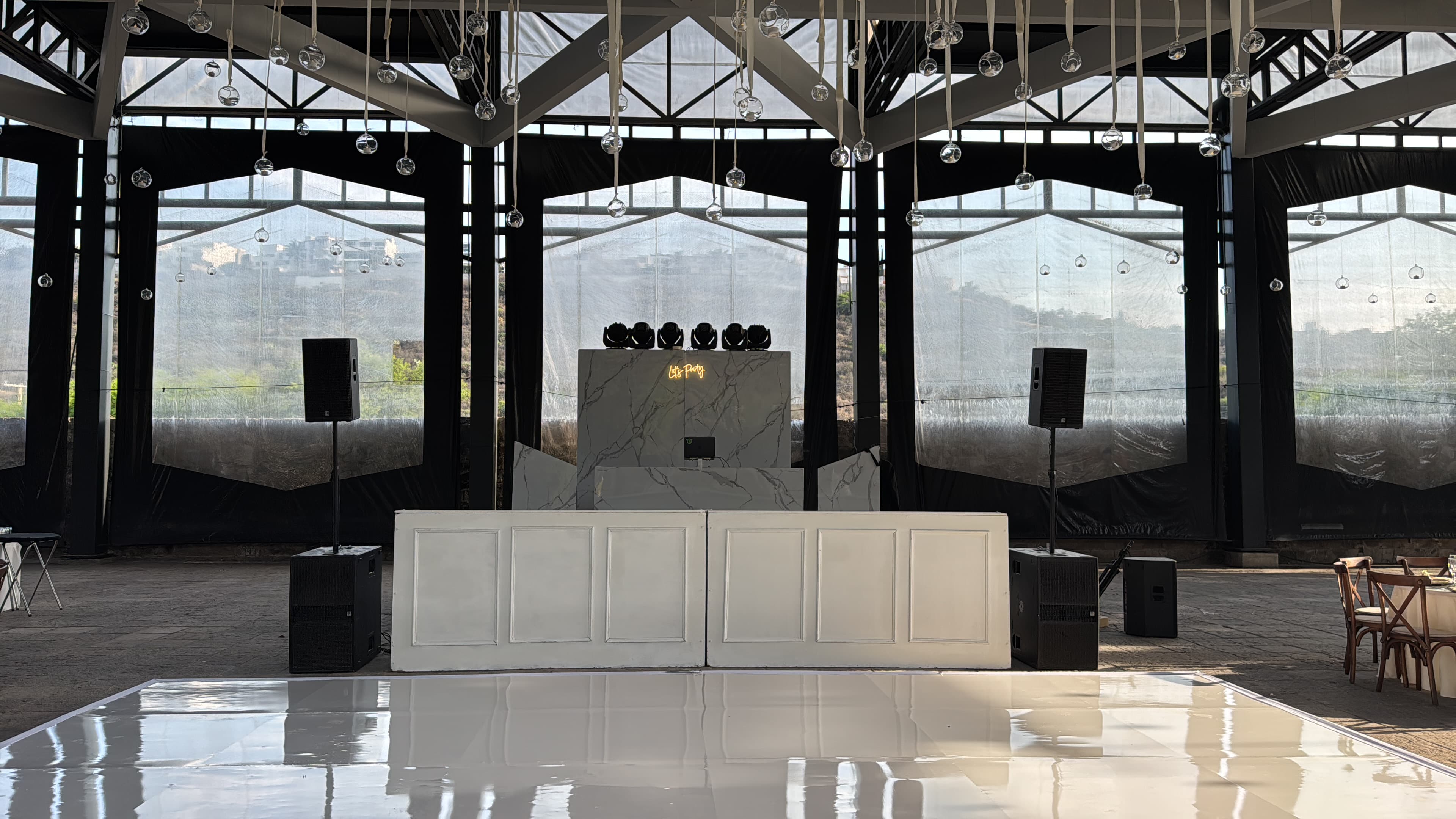
Saturday: the wedding. The main event, with full production. This is where the vineyard region or a hacienda makes sense: space, open landscape, and capacity for an extended dinner.
Sunday: a proper farewell. The brunch is the most underestimated day and the most appreciated. No rigid schedule, no dress code, no photographer chasing anyone around. This is where people truly connect, because they already know each other and the nerves are gone.
If you have to cut something, cut Friday before Sunday. A subtle welcome and an excellent brunch leave a better impression than a spectacular welcome and a goodbye in the hotel lobby.
The Timings Almost Nobody Calculates Correctly
The logistics of a weekend fall apart during transfers, not during events. Here are the calculations worth making before you decide where each day happens:
- From the historic center to the vineyards, there is a highway in between. A bus with fifty people does not depart in five minutes: between gathering everyone, loading up, and pulling out, you lose twenty to thirty minutes that nobody factored into the schedule.
- Guests arrive staggered on Friday. Some drive from Mexico City, others land in the afternoon. If the welcome starts at seven sharp, half the group misses the beginning. A window time slot—"from seven to ten"—solves more than you might think.
- Sunday has flights. If your brunch ends at four, people flying in the evening will not attend. Start early and keep it open-ended.
- The return transport from Saturday is the one that gets forgotten. It is not enough to bring people to the venue. You have to bring them back late, and often in multiple trips.
Two Climate Details That Change Your Schedule
The altitude. Querétaro sits at approximately 1,800 meters above sea level. For guests coming from the coast, alcohol hits differently and dehydration arrives sooner. Visible, accessible water at all events—not hidden behind the bar—is one of those things no one notices when it is there and everyone notices when it is not.
The rain. The wet season runs from June through September. This does not mean it rains all day: it typically comes in the afternoon, heavy and brief. If you marry during these months, a Plan B is not optional, and it should be one you love, not one you resign yourself to using. The dry months offer more certainty for outdoor events, but they are also the most competitive: if you are aiming for those, move your date with more advance notice.
The Order in Which to Decide
When a weekend is planned backwards, it gets expensive. This order saves money and conflict:
- First the hotel base, not the venue. The entire weekend revolves around where your guests sleep. If the hotel is downtown and the wedding is in the vineyards, you already know you need transport all three days. If the hotel is near the venue, Friday and Sunday almost take care of themselves.
- Then Saturday. This is the event that drives capacity, date, and budget.
- Finally Friday and Sunday. They are designed with whatever energy and budget remains, and that is perfectly fine.
- The room block, in parallel. Reserving rooms at a locked rate and deadline is what lets you send a save the date with useful information instead of a "book your own rooms" message.
Mistakes I See Repeated
- Filling every gap in the schedule. A weekend with no downtime exhausts people. Leave gaps on purpose: Saturday morning, Sunday afternoon. Your guests came to a destination; let them see it.
- Changing locations every day. Friday in the center, Saturday in the vineyards, Sunday back downtown adds hours of driving that nobody enjoys. Two locations maximum.
- Repeating the same format three times. If Friday is a seated dinner and Saturday is a seated dinner, Saturday stops feeling special. Give each day its own rhythm.
- Hiring separate vendors for each event. The same music, photography, or transportation team covering the full weekend usually works better than three separate contracts, and saves you from explaining context three times.
How Far in Advance to Plan
A one-night wedding can come together in six months. A full weekend cannot. You need to coordinate availability across three spaces, secure room blocks, and work with a calendar your guests can actually book off work. Twelve months is a comfortable margin; less than eight months starts to limit real options, especially during the dry season.
And one thing that is not always said aloud: a weekend does not have to cost three times as much as a wedding. Friday and Sunday are where you can simplify the most without it showing. The production lives on Saturday.
Is a Weekend Wedding Worth It If My Guests Are Local?
If most of your list lives in Querétaro or within two hours, the weekend loses some of its purpose: people prefer sleeping at home. In that case, a two-day format—wedding and brunch—without a welcome works better. The full weekend pays off when most guests are traveling and have already taken the trouble to get there.
How Many Events Are Too Many?
Three is the sweet spot: welcome, wedding, and brunch. Beyond a fourth event, the weekend starts to feel like a work schedule, the budget skyrockets, and you arrive Saturday drained. If you want to add something, make it an optional activity—a vineyard tour, a walk through the center—with no attendance list or obligation.
Who Pays for the Welcome and Brunch?
There is no single rule, and it is worth defining early because it changes your entire budget. The most common approach at destination weddings in Mexico is for the couple to cover welcome and brunch as part of the invitation, with guests covering travel and lodging. If your budget cannot stretch to all three days, a simple covered brunch is preferable to an ambitious event with split checks: nothing chills a weekend faster than an unexpected bill.
How Do You Announce a Full Weekend to Guests?
With advance notice and detail. The save the date should say it is a weekend, not just a date, so people request the correct days off. And the full schedule—times, locations, dress code for each day, lodging options—should go out with the formal invitation, not two weeks before.
---
Planning a weekend in Querétaro is, above all, an exercise in coordination between multiple vendors who need to talk to each other. That part consumes the most time and shows the least.
With katiblé you can bring all your weekend vendors together in one place, request proposals, and get answers in minutes. And since each booking returns cashback to you, the wedding you are planning can end up paying for part of itself.
I invite you to start with the hotel base. Everything else arranges itself around it.
Three days multiply everything per person, so your guest count matters more than ever: how to build your guest list.