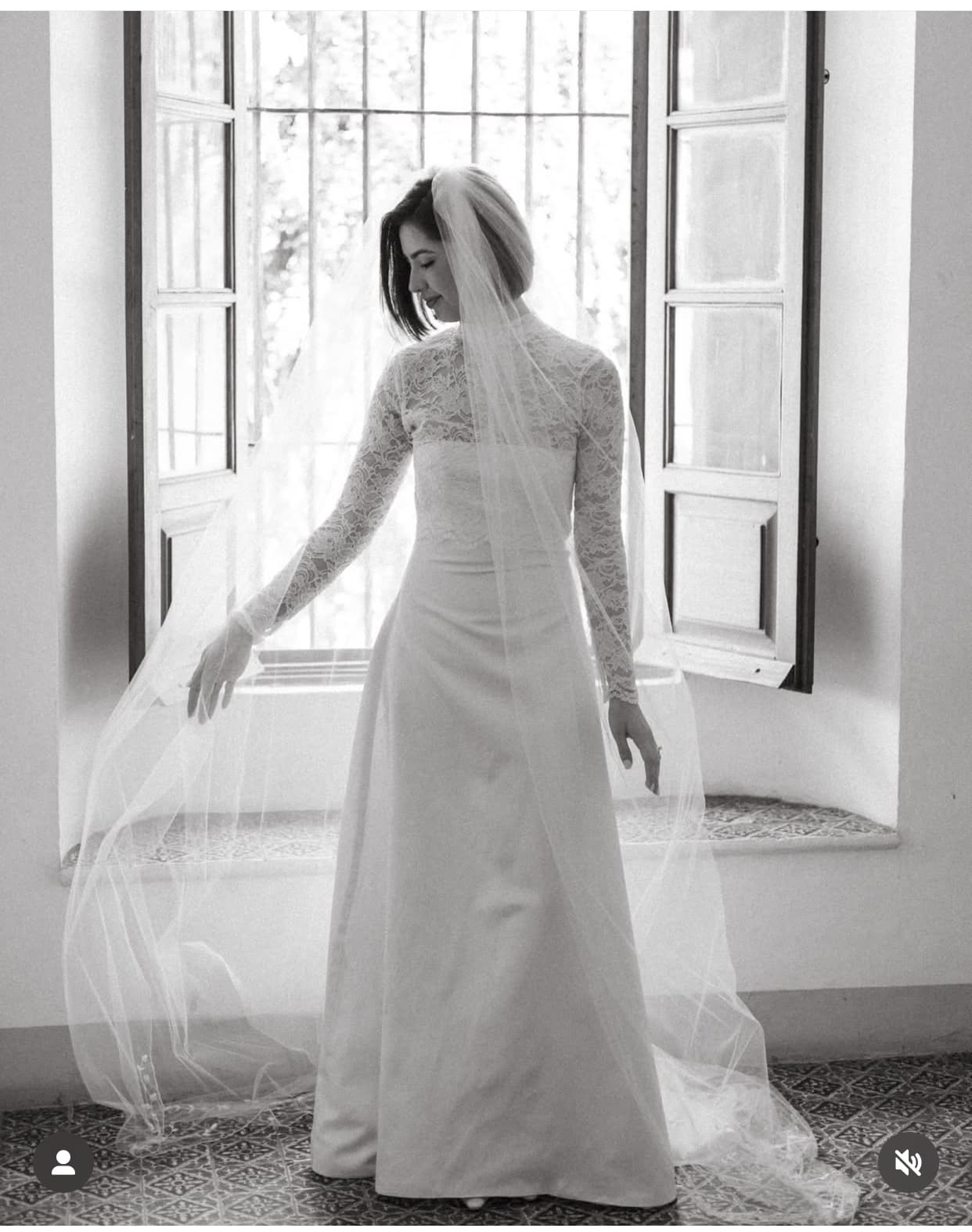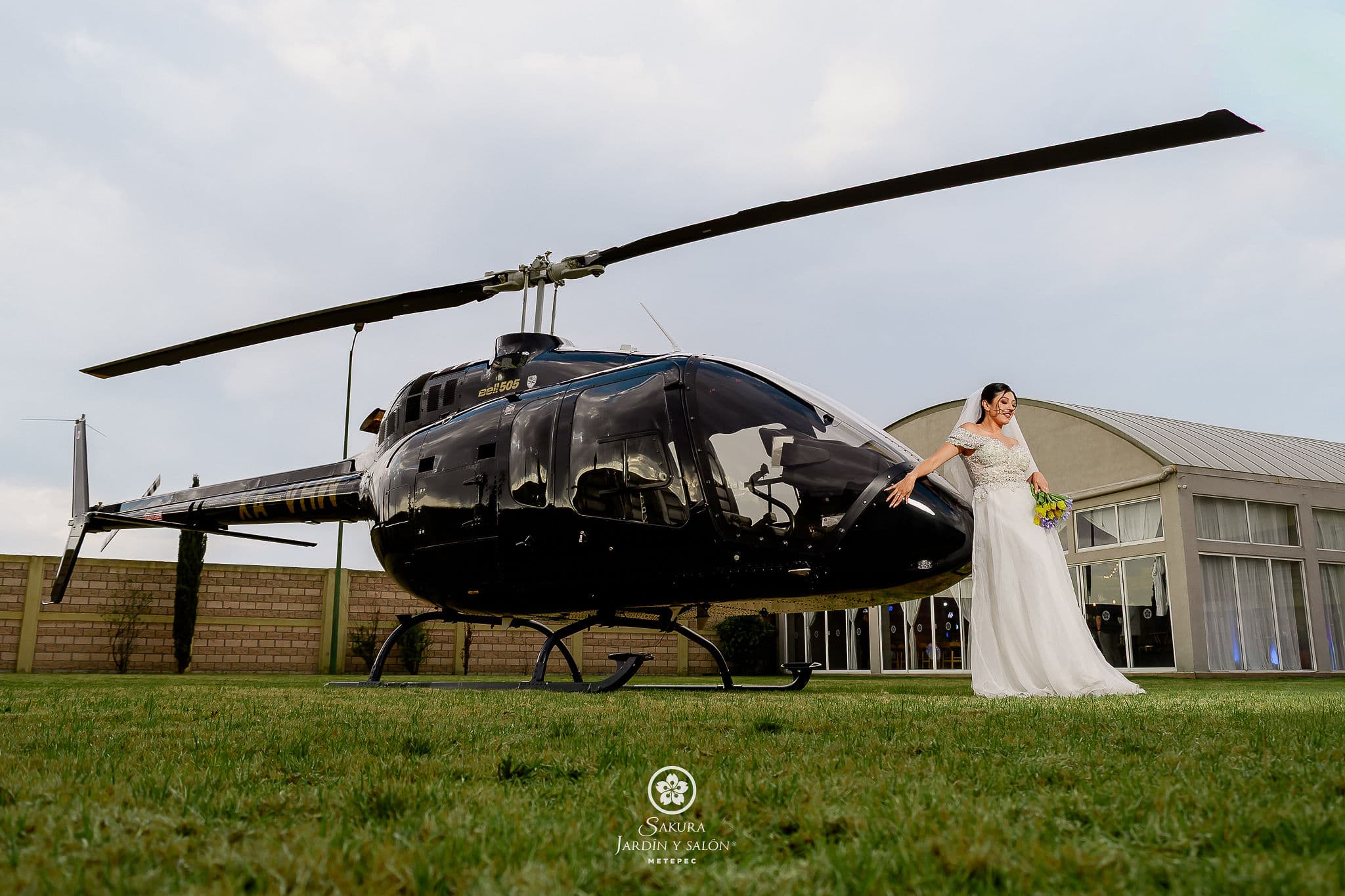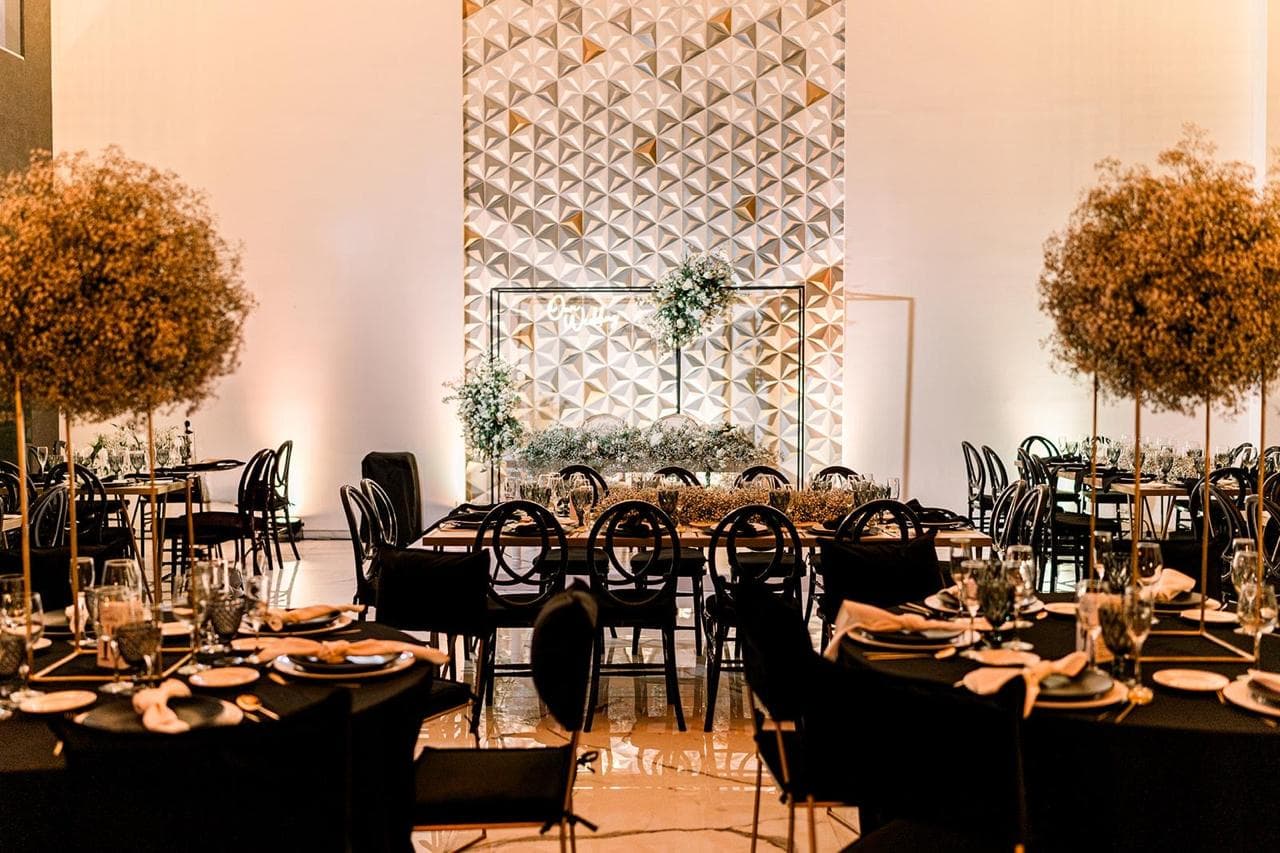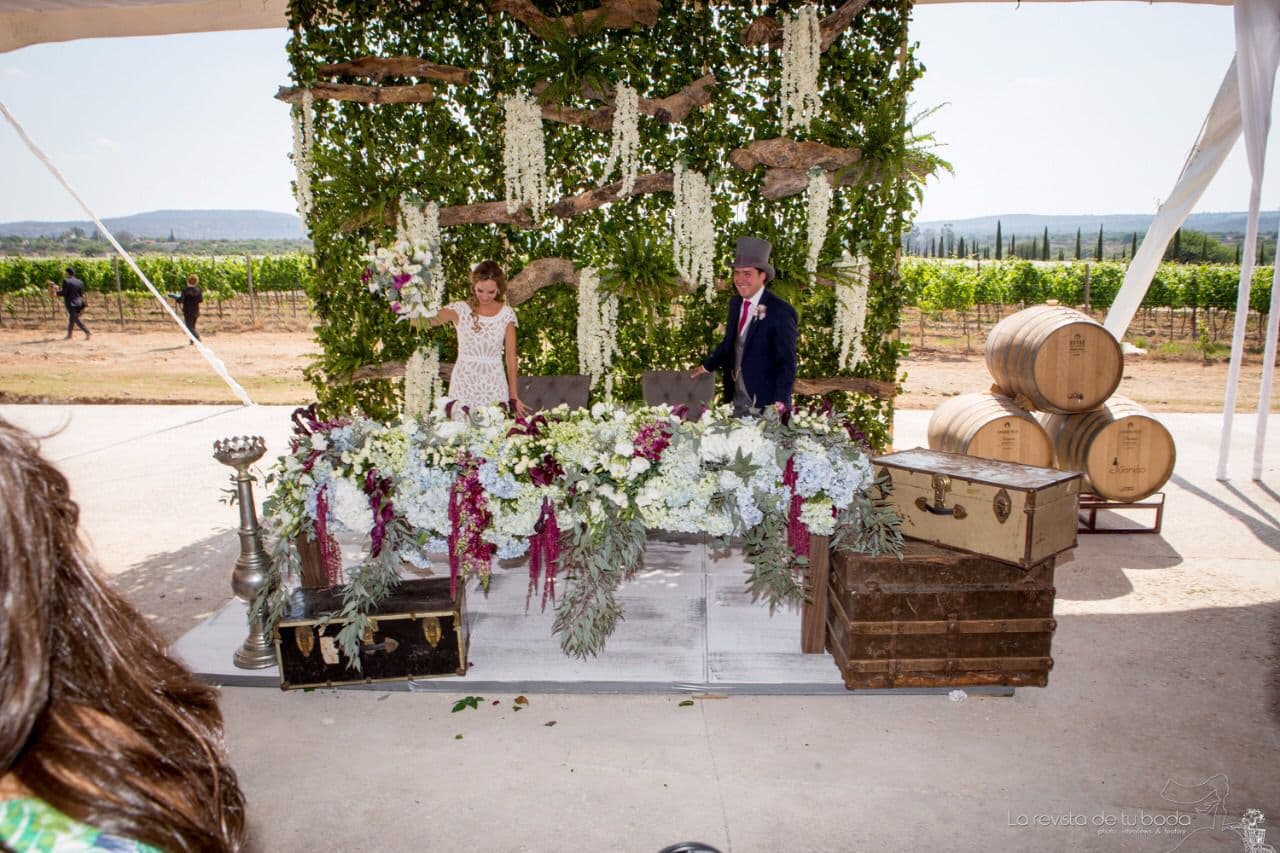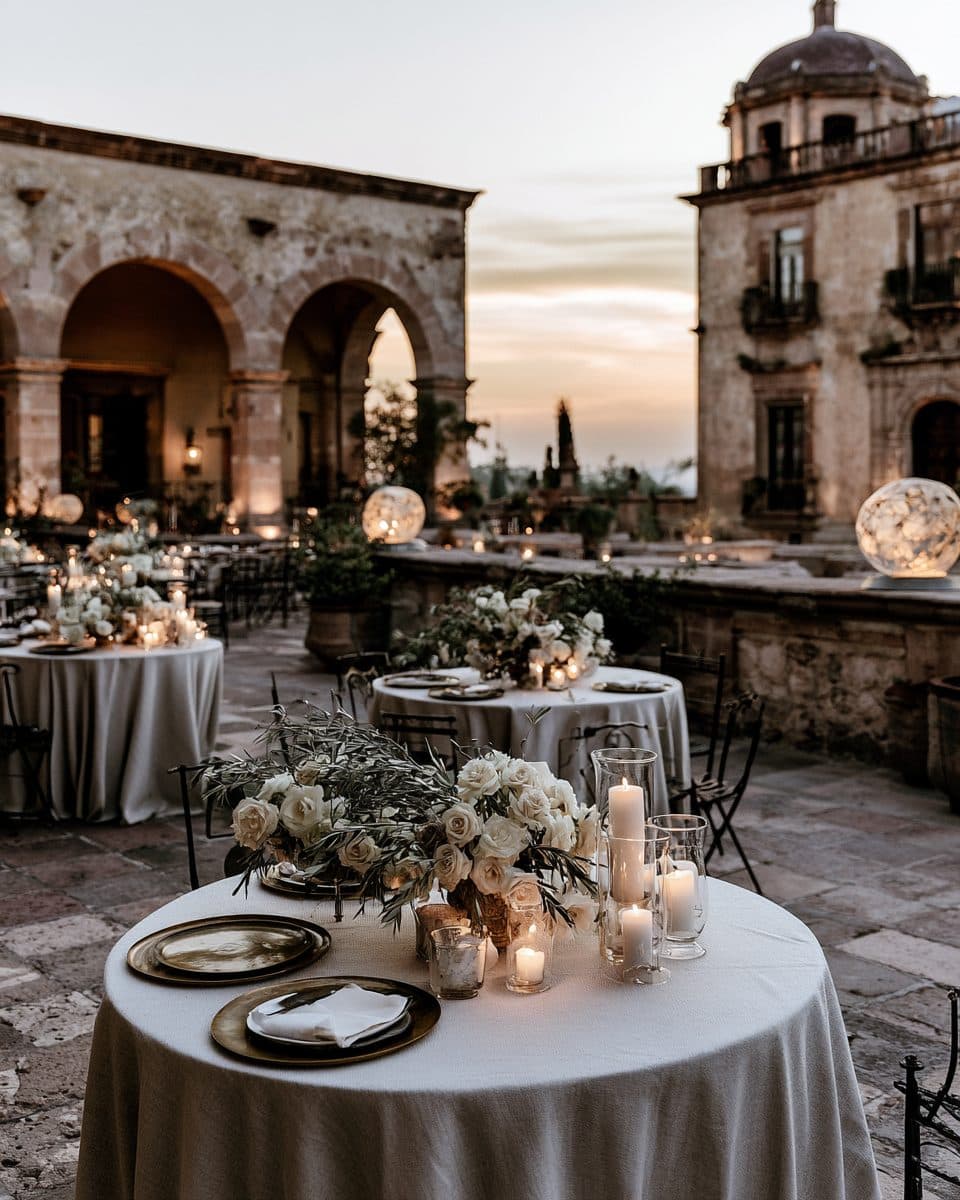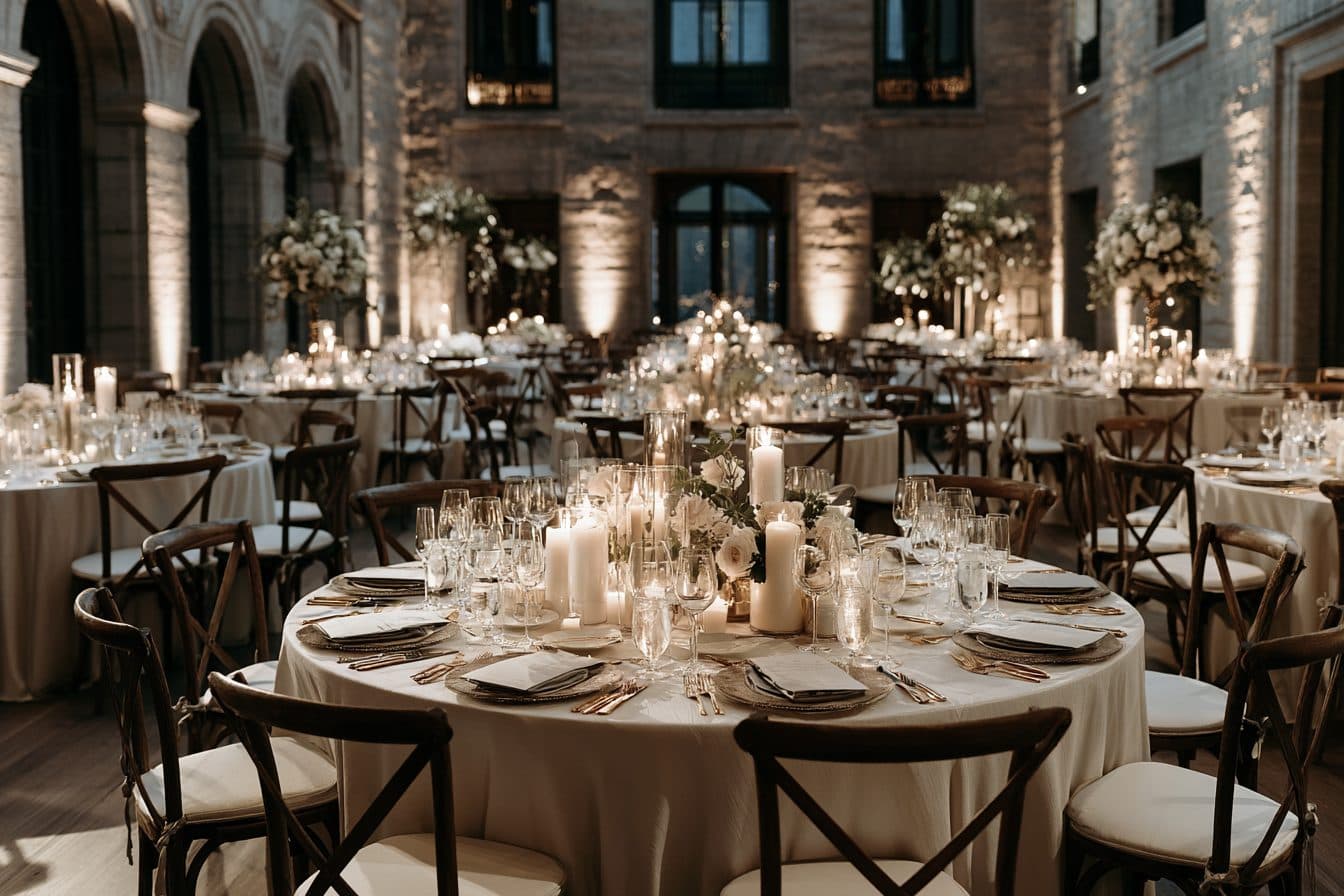
You will visit six venues. Five will seem beautiful, and one will seem perfect. That is exactly the moment of greatest risk in your entire planning process.
The Short Answer
The venue is the decision that most conditions everything else about your wedding: it defines how many guests fit, which vendors you can hire, what time the celebration must end, and how much everything else will cost. Choosing it based on how it looks in photos without reviewing the restrictions it imposes is the fastest way to end up with a beautiful space and a budget that no longer works.
Beauty and Operations Are Two Different Questions
A venue is chosen by looking at two very different things: how it looks and how it functions. The first is resolved during the visit, in ten minutes. The second is in the contract and takes longer, but it is what determines how much everything else will cost.
When you hire a photographer, you hire a photographer. When you hire a venue, you hire a frame that decides everything else.
A space with exclusive vendors immediately eliminates your ability to price shop for catering. A space with a closing time at one a.m. eliminates the all-night celebration. A space without its own kitchen turns catering into a logistics problem with a cost. A stunning space an hour and a half from the airport forces you to arrange transportation for everyone.
None of that shows up in the photo. All of it appears in the contract.
Seven Things to Review Before You Fall in Love
- Vendor Exclusivity. Can you bring your own vendors, or is there a closed list? If there is a list, ask for quotes from that list before you book, not after.
- Actual Closing Time. Not the one in the brochure: the one imposed by municipal or condominium regulations. Ask what happens if you go over and how much extra hours cost.
- What's Included in the Rental. Furniture, linens, staff, cleaning, security, lighting, generator. Each thing not included is a new line item in your budget — and lighting is what most often appears after you've signed.
- Rain Plan. Not "we have a rain plan": what it is, where it is, how many people it holds, and what it costs to activate. Ask to see it the same day you visit.
- Actual Seated Capacity. Standing capacity and capacity with tables, dance floor, and stage are very different numbers. Ask for the latter.
- Bathrooms and Accessibility. How many, where they are, and whether there is access for someone with reduced mobility. With grandparents on the list, this stops being a detail.
- What Happens If You Cancel. The deposit is usually non-refundable, but rescheduling terms vary widely between venues and almost no one reads them in time.
What Changes the Answer
- The Size of Your Guest List. A venue that feels spacious with 80 people feels cramped with 150. And vice versa: a large ballroom with a small guest list looks empty.
- Where Your Guests Are Coming From. If most are traveling, distance to the airport and nearby accommodation options matter more than aesthetics.
- The Season. The same venue costs differently in March versus August, and the rain plan stops being hypothetical during rainy season.
- Whether There's a Ceremony at the Same Location. It saves transfers, but requires a changeover that consumes time and sometimes extra staff.
The Verdict
A beautiful venue with restrictions you didn't review costs more than a solid venue with clear rules.
Our position: visit with a list of questions, not with your phone in hand. Order matters — restrictions first, aesthetics second. If the space passes the seven questions and you also love it, you've found it. If you love it but it fails on three counts, what you're feeling isn't certainty: it's the photograph.
And two edge cases, again as our recommendation and not as absolute rules:
When It's Worth Breaking the Rule: if your guest list is small, your budget has flexibility, and the venue is the reason you want to marry there, aesthetics can win. It's a legitimate decision, as long as you make it knowing what you're paying for.
When It's Not: if you're working with a tight budget, if your list exceeds 120 people, or if someone else is contributing money. There, every venue restriction becomes a cost that appears later.
Next Steps
Before your next visit, write the seven questions above into your phone and ask them all, in that order, before you walk through the garden. A well-conducted visit takes forty minutes and saves months. If you're not sure where you are in the process, the step-by-step guide places the venue choice in its proper order.
And don't book the same day. The urgency — "I have another couple looking at that date" — is often real: good dates go fast. But asking for twenty-four hours to reread the contract is reasonable, and a well-run venue won't deny you that.
Frequently Asked Questions
What Should I Review Before Signing a Venue Contract?
Vendor exclusivity, actual closing time, what's included in the rental, a concrete rain plan, seated capacity with dance floor and tables, bathrooms and accessibility, and cancellation and rescheduling terms. All seven before you book.
Is It Normal for a Venue to Require Me to Use Their Vendors?
It's a common practice and it's written in the contract, so you can know before signing. What it does is change your budget completely. If there's a closed vendor list, ask for quotes from those vendors before paying your deposit: it's the only way to know what that venue really costs.
How Many People Actually Fit in a Ballroom?
Almost always fewer than the brochure states, because that figure is usually the standing capacity. Ask for capacity with round tables, dance floor, and stage installed, which is the real wedding scenario.
Is It Better to Have the Ceremony at the Same Venue as the Reception?
It saves transfers and downtime, and usually costs less. The hidden cost is the changeover between ceremony and dinner: ask how long it takes, where guests wait during that time, and whether it requires additional staff.
How Katiblé Helps
At Katiblé, each venue has its own profile with photos and contact information, so you can build your shortlist and arrive at your visit with your questions prepared. Comparing three venues before scheduling your first visit is the part of the process that takes the least time and saves the most budget.
If you already have a destination in mind, these guides break down the seven questions for the type of venue you'll see:
- Venues in Querétaro: haciendas and vineyards.
- Venues in Riviera Maya: beachfront, resorts, and cenotes.
- Venues in Puebla: historic casones and the Atlixco valley.
- Venues in Guanajuato.
And three venue profiles published today, in three different cities, to see the level of detail you should bring to a visit:
- Catherwood, in Mérida.
- Textil Santo Domingo, in Puebla.
- San Juanito, in Tequisquiapan.