Floral Design for Destination Weddings in San Miguel de Allende: Ideas and Pricing
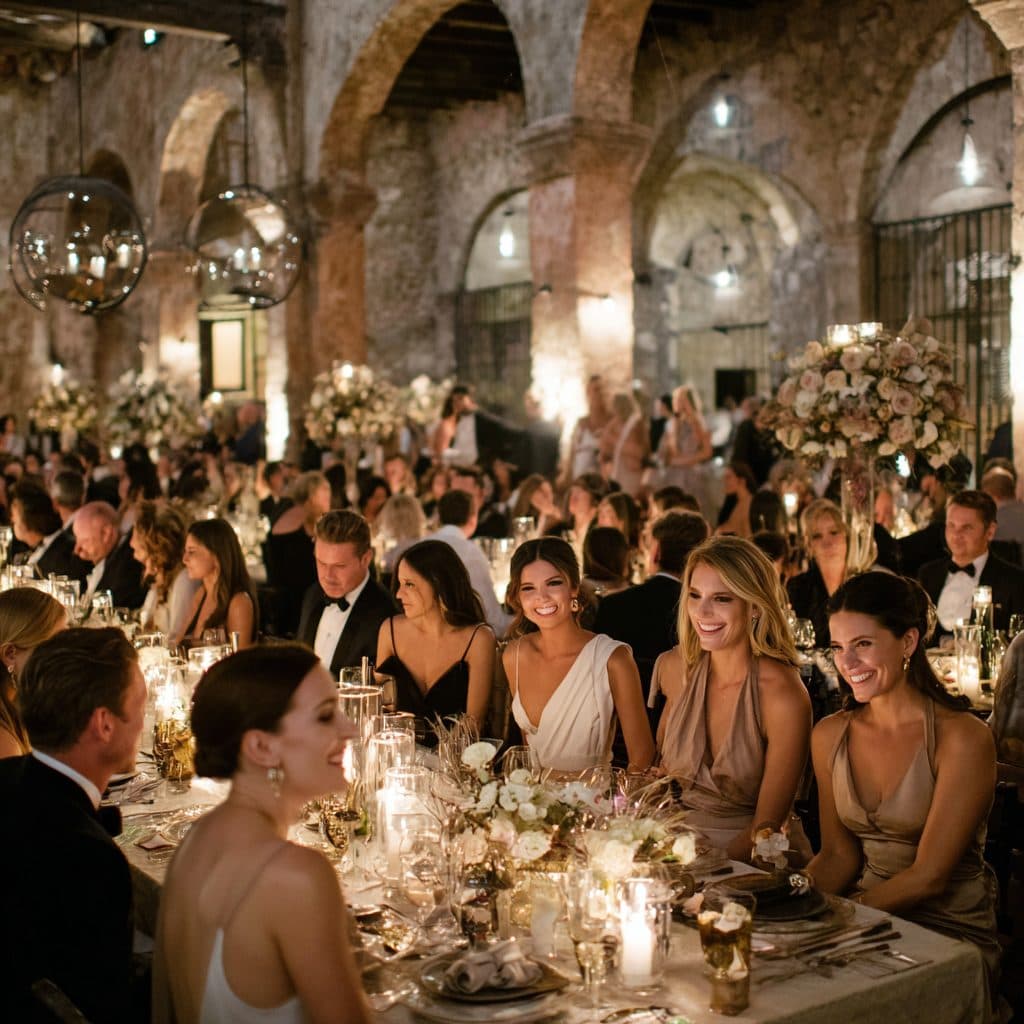
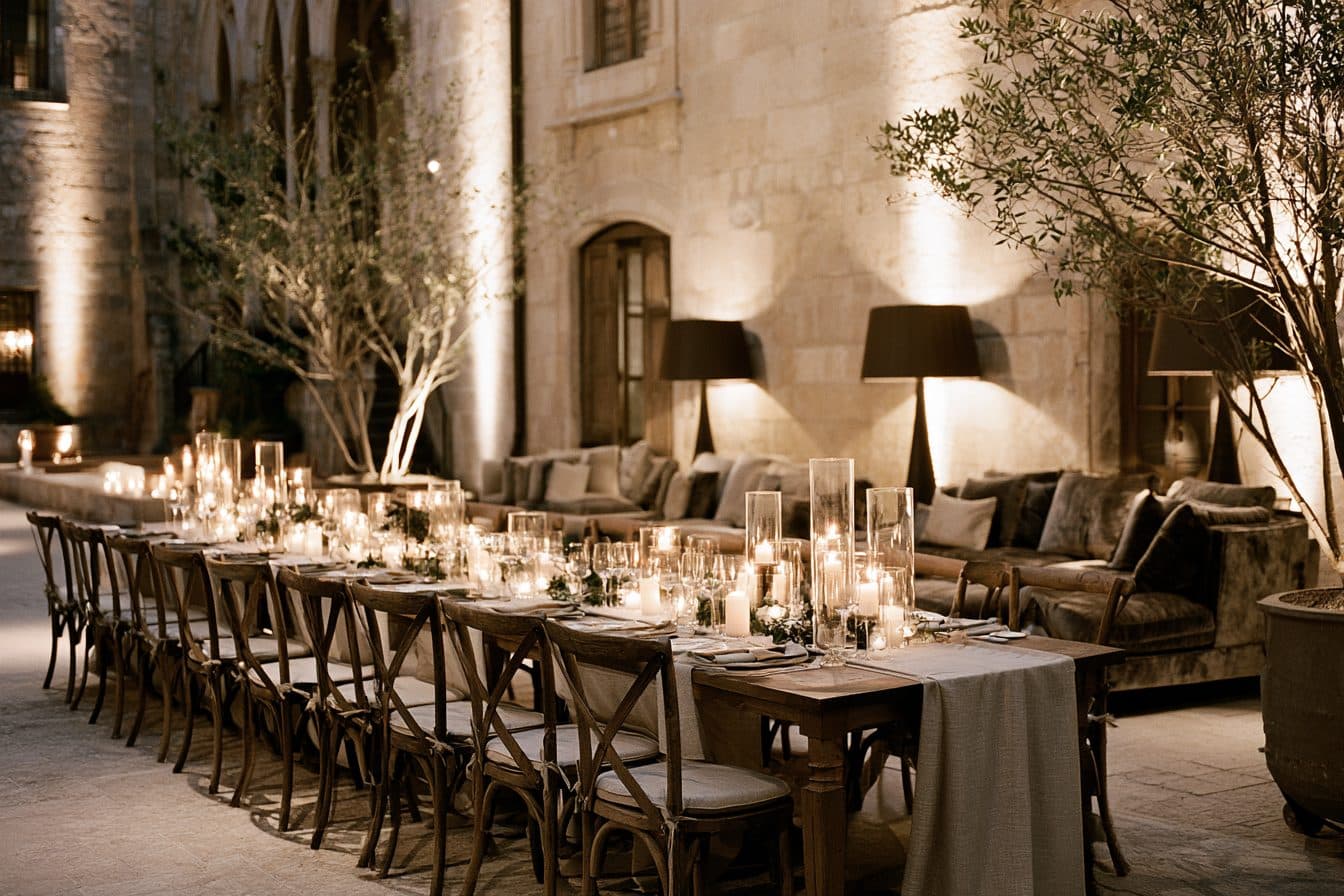
San Miguel de Allende stands among Latin America's most coveted destination wedding venues, and floral design is one of the defining elements of any celebration. The haciendas, colonial gardens, and cobblestone patios demand compositions that dialogue with seventeenth-century architecture—never overshadow it.
This guide explores which flowers flourish in each season, how to craft a palette that honors the colonial setting, and realistic budget parameters so conversations with your wedding planner or florist begin from solid numbers.
The Style San Miguel Demands
San Miguel's natural palette is dominated by warm tones: the rose-copper of the Parroquia, the ochre of facade walls, the dusty green of olives in Charco del Ingenio. Floral designs that work best emerge from this palette rather than compete against it.
Three aesthetic directions dominate local weddings:
- Contemporary Mexican: dahlias, marigolds, cosmos, and heliconias in overflowing arrangements with natural beeswax candles. Particularly striking at haciendas like Los Arcángeles or La Capellanía.
- Dried Mediterranean: olive branches, rosemary, lavender, wheat, and pampas grass in terracotta or copper vessels. Ideal for terraces overlooking the Parroquia or stone gardens like those at Casa Saia.
- Refined Tropical: orchids, anthuriums, and monstera in vertical installations. Best suited for venues with soaring ceilings or interior salons, less so in open gardens where they compete with the landscape.
Flowers by Season
San Miguel's elevation at 1,910 meters above sea level and its semi-arid climate determine which blooms arrive fresh and which must be imported from Querétaro, Mexico City, or Holland.
- March to May (warm dry season): jacarandas in full bloom throughout the city, bougainvillea, early dahlias. Excellent for violet and fuchsia palettes.
- June to September (rainy season): emerging marigolds, cosmos, sunflowers, hydrangeas. Rain requires a contingency plan with tent coverage—confirm this with your florist so arrangements withstand humidity.
- October to November (post-rain): peak marigold season, velvet celosia, chrysanthemums. The burnt orange to wine palette is the most photographed of the year.
- December to February (cool dry season): poinsettias, eucalyptus, dried branches, imported peonies. Works beautifully with white and green palettes for intimate celebrations.
The practical rule: ask your florist to source 60% of arrangements in local, seasonal blooms and 40% accent flowers. This reduces costs by 25 to 40% compared to entirely imported designs.
Budget Framework
Costs vary by scale, but these ranges anchor conversations with professional florists in San Miguel:
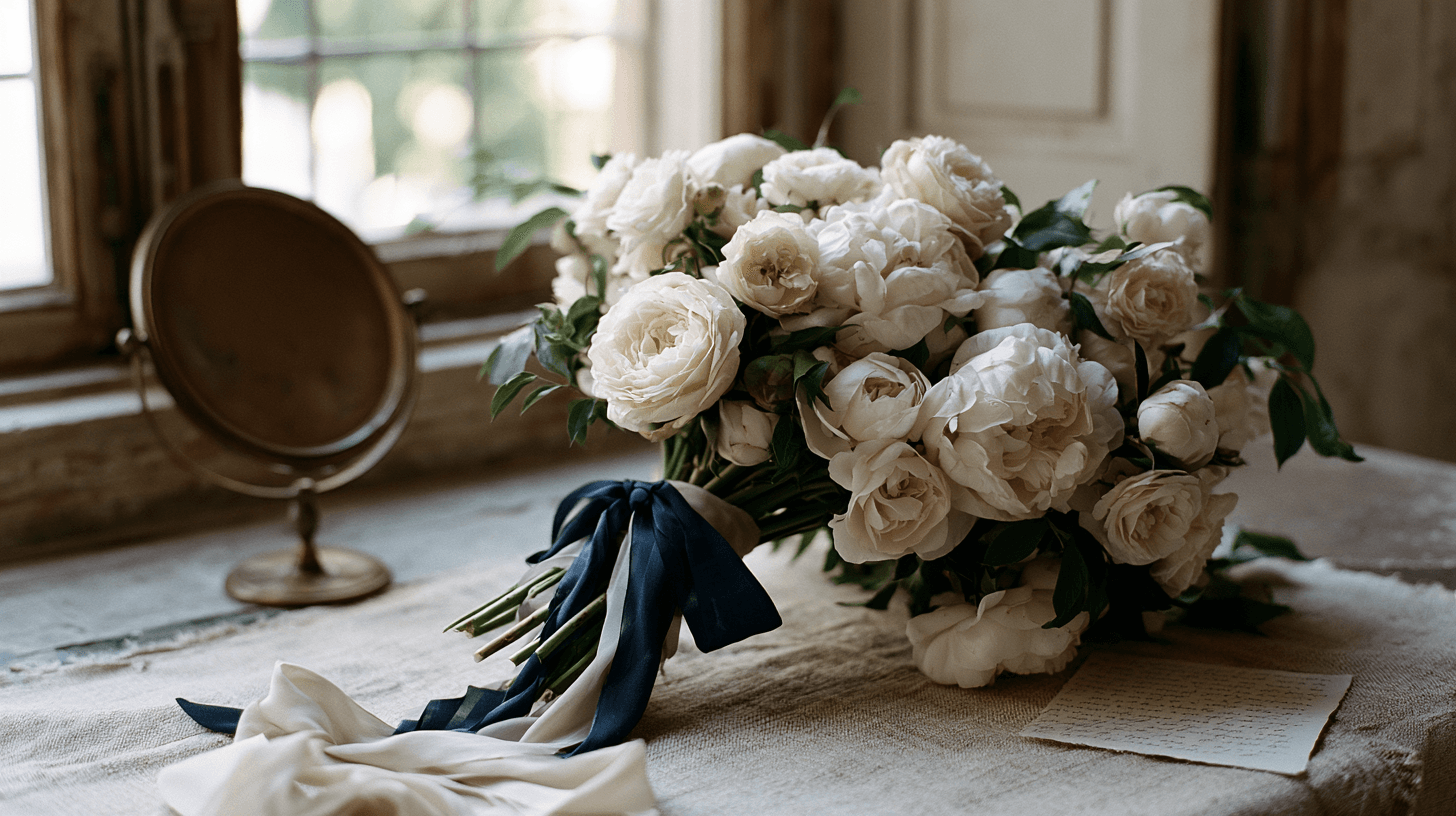
- Bridal bouquet: 3,500 to 9,000 MXN depending on flower type and size.
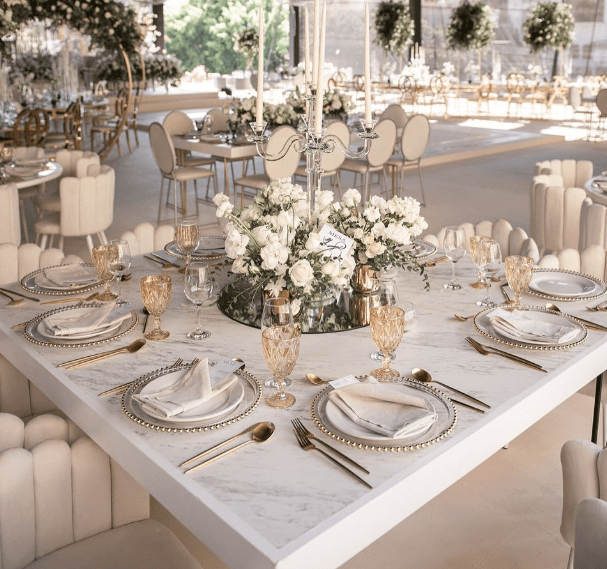
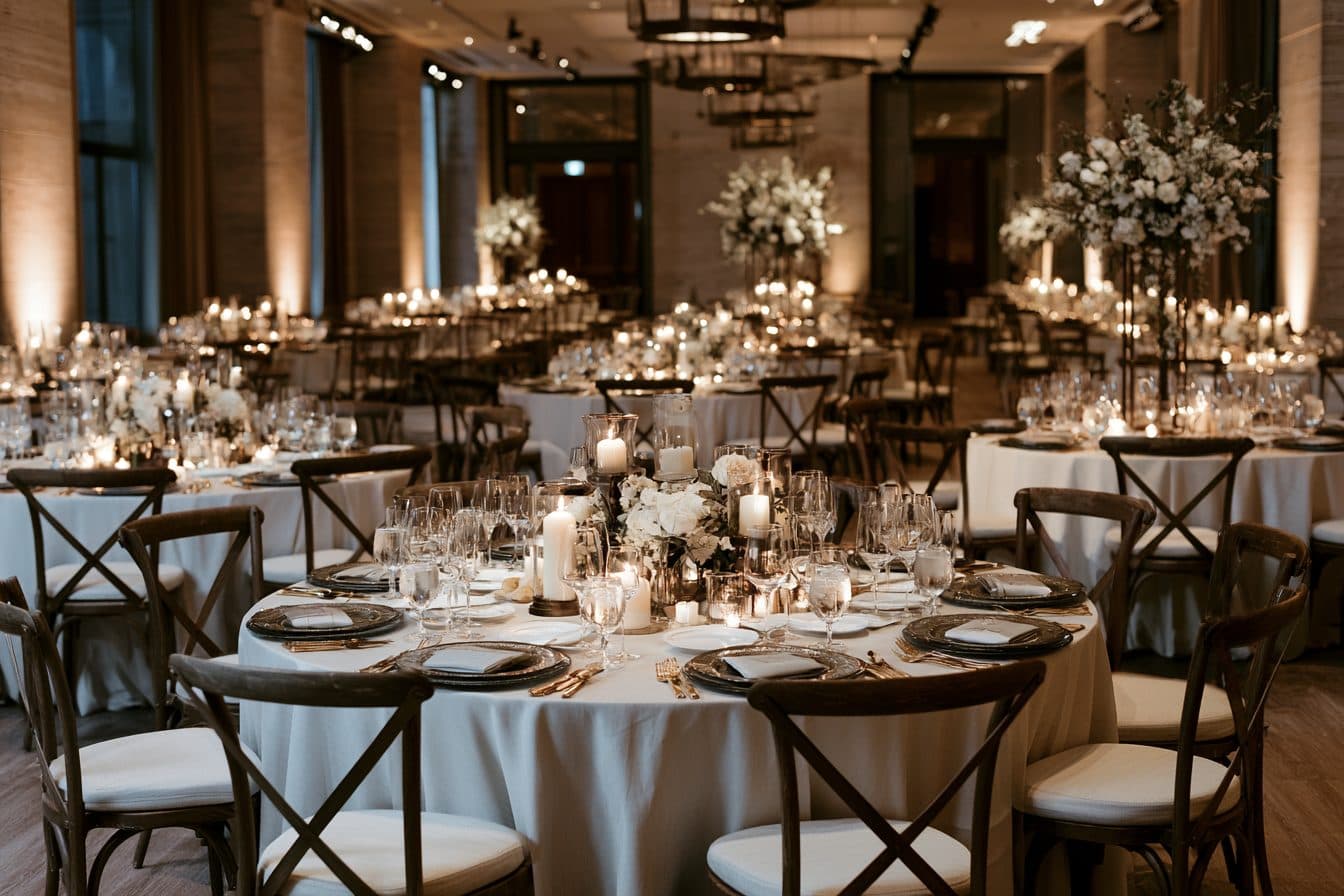
- Low centerpiece (round table of 10): 1,800 to 4,500 MXN.
- Tall centerpiece (with structure): 4,500 to 12,000 MXN.
- Ceremony archway: 18,000 to 60,000 MXN depending on scale and density.
- Floral aisle or staircase runner (10 meters): 12,000 to 35,000 MXN.
For a 120-guest wedding with 12 tables, ceremony archway, and bouquets for bride and attendants, a realistic floral budget starts at 90,000 MXN and can reach 280,000 MXN if suspended installations or floral walls are included.
Selecting a Local Florist
Three points to confirm before signing:
- They visit the venue in natural daylight the day before quoting. Colonial haciendas and patios have light and texture entirely different from photographs.
- They maintain cold storage. San Miguel's dry climate wilts imported flowers within hours without proper refrigeration.
- They provide a physical sample centerpiece one or two weeks prior, not just a digital rendering. The gap between quoted and delivered is the most common complaint in destination weddings.
Realistic planning involves securing your florist six to nine months ahead. Weekends in March, April, and November book months in advance.
Before You Go Further
If you don't yet have your own budget figure, Katiblé's budget calculator estimates it based on guest count and destination—free and in one minute.
Frequently Asked Questions
Should I bring a florist from Mexico City? Only if your venue is exceptionally large or the aesthetic requires highly specific blooms unavailable locally. For most weddings of 80 to 200 guests, a San Miguel florist runs 20 to 30% more economical and better understands local climate nuances.
Can flowers be repurposed between ceremony and reception? Yes, and it's the most efficient practice. The ceremony archway decomposes to be reinstalled behind the head table, and aisle arrangements migrate to guest tables. Confirm with your florist that their team covers this transition.
What happens if it rains during rainy season? An experienced florist carries backup blooms and protected arrangements. Critical is defining your Plan B with the venue: tent, interior salon, timing for transitions. Without a defined Plan B, even the finest florist cannot deliver.
When do you pay the florist? Standard in San Miguel is 50% upon contract signing, 30% one month before the wedding, and 20% on the event day upon delivery. Some florists request 100% payment one week prior for imported flower purchases.
Floral design is a budget category where costs inflate easily and where verifiable references before signing truly matter. Katiblé lists active florists in San Miguel de Allende with pricing ranges and specialties so your comparison is concrete, not intuitive.
How Much Does Floral Design Cost for a Wedding in San Miguel de Allende?
It varies significantly based on flower type, season, and arrangement quantity (centerpieces, archway, bouquet, ambient installations). Seasonal and local blooms typically cost less than imported varieties; always request an itemized breakdown.
How Do I Save on Flowers Without Looking Budget-Conscious?
Use seasonal blooms, concentrate visual impact at key moments (entrance, head table, archway), and repurpose ceremony arrangements for the reception. A skilled florist helps you prioritize.
How Do I Choose a Florist or Designer for My Wedding?
Review genuine portfolios, confirm they understand your aesthetic and palette, and request references. On Katiblé you can compare floral design and decoration for weddings in San Miguel de Allende and request quotes in minutes.
Related Resources in San Miguel de Allende
After design, complete your vendor team:
See what your wedding will cost
An estimated budget based on guest count and destination. Free, in about a minute.
For vendorsGet listed in the Katiblé catalogue
We don't send you fake leads — we send the ones who actually book. Your clients plan their events here and find you.
Planning your wedding in San Miguel de Allende?
Sign up free and get your WeddingCode to earn cashback on every booking.
Sign up free